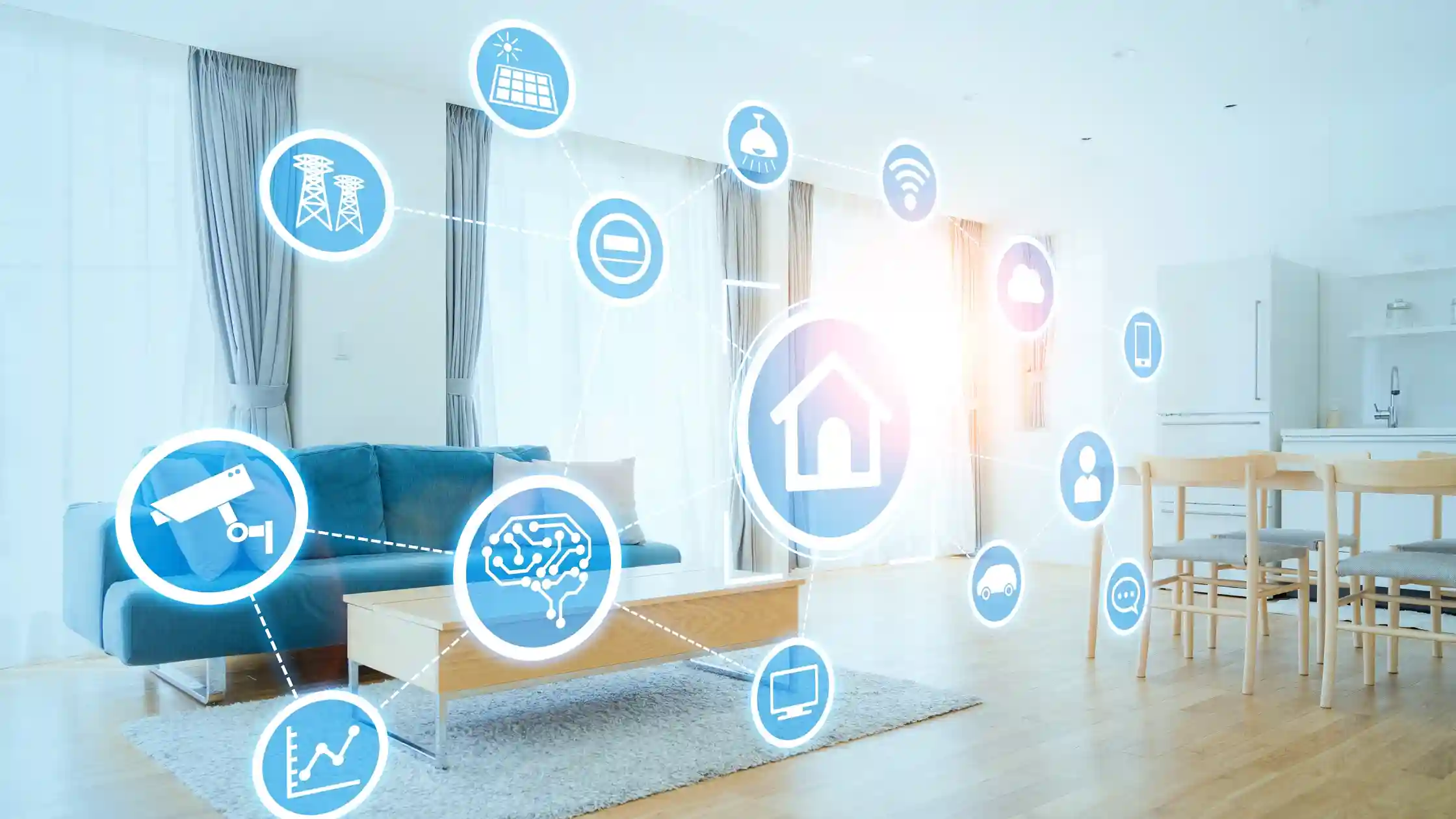
Future-Proofing Smart Home Installations: Why Structured Wiring Still Matters in 2026
Summary: Smart homes continue to evolve, but reliability remains non-negotiable. Despite advances in wireless technology, structured wiring using Category 6 or higher Ethernet still provides the most stable foundation for modern home automation systems. This blog explains why a well-planned wired infrastructure remains critical in 2026, how they support integrated smart home performance, and how installers can balance wireless convenience with wired dependability for long-term success.
Smart homes are more connected than ever. Lighting, security, climate control, audio-visual systems, and appliances increasingly rely on data-driven automation. While wireless protocols such as Wi-Fi, Zigbee, and Z-Wave offer convenience, they are not designed to serve as the sole backbone of a modern smart home.
Wireless signals face real-world limitations:
- Interference from neighboring networks
- Signal attenuation through walls and floors
- Bandwidth congestion as device counts increase
- Latency and packet loss during peak usage
As homes adopt more automation platforms and cloud-connected services, these limitations become more visible. This is why a robust wired cabling foundation continues to support performance, reliability, and scalability in smart home installations.
Structured Wiring as the Backbone of Smart Homes in 2026
A centralized cabling approach uses standardized pathways to distribute data, audio, video, and control signals throughout a residence. In 2026, this design philosophy is more relevant than ever as homes demand consistent connectivity across multiple systems.
What Structured Wiring Enables
- Consistent bandwidth delivery to all rooms
- Centralized control panels for automation systems
- Reliable backhaul for wireless access points
- Support for power, data, and control signals
- Simplified upgrades and system expansion
Category 6 and higher Ethernet cabling forms the core of this wired backbone, providing the speed, noise immunity, and performance stability required for today’s automation platforms. A professional structured cabling service ensures that this infrastructure is installed correctly and performs as designed over the long term.
Home Automation Cable and Integrated System Performance
A modern smart home is an ecosystem. Audio-visual systems, security panels, lighting controllers, and environmental sensors must communicate reliably. Home automation cable plays a key role in ensuring these systems operate without delays or failures.
Key Benefits of Proper Home Automation Cabling
- Stable communication between controllers and devices
- Reduced latency for real-time automation triggers
- Improved uptime for security and monitoring systems
- Easier troubleshooting and maintenance

Dedicated Automation cable, combined with Ethernet-based structured cabling service, provides predictable performance that wireless-only systems cannot match. Wireless devices still benefit from a wired foundation, as access points, controllers, and gateways perform best when connected through structured wiring rather than relying solely on wireless backhaul.
Balancing Wireless Convenience with Wired Reliability
Wireless technology will continue to advance, but it works best when supported by a wired infrastructure. The most effective smart home designs in 2026 follow a hybrid approach.
Best Practices for Installers
- Use structured wiring for backbone connections
- Deploy wireless only at the device edge
- Hardwire access points for consistent coverage
- Centralize automation controllers and servers
- Plan extra cable runs for future expansion
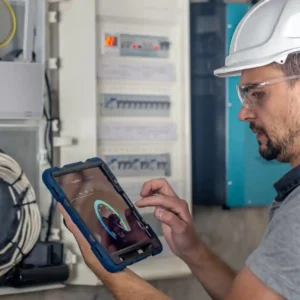
This approach ensures that homeowners enjoy the convenience of wireless control without sacrificing reliability, performance, or security.
For complex installations or unique layouts, installers can Request Information from Remee to explore optimized cabling configurations.
Future-Proofing Smart Homes with a Wired Infrastructure
Technology evolves quickly, but cabling infrastructure lasts decades. Homes built or upgraded today must support devices that do not yet exist. A properly designed wired system provides that flexibility.
Long-Term Advantages
- Supports future bandwidth increases
- Accommodates new automation standards
- Simplifies system upgrades
- Increases property value
- Reduces costly retrofits
Custom cable solutions can further enhance system longevity. If a project requires specialized lengths, jacket types, or performance characteristics, installers can Request a New Custom Cable from Remee to match exact specifications.
Smart homes in 2026 demand reliability, scalability, and performance. While wireless technology enhances convenience, it cannot replace the stability of a properly engineered wired backbone. By investing in structured cabling, automation cable, and well-planned home automation infrastructure, installers ensure systems that perform today and adapt tomorrow.
If you’re planning a new installation or upgrading your home automation system, Ask an Expert to explore customized structured cabling service solutions that deliver long-term reliability and future-ready performance.
FAQ:
Q1: Is structured wiring still necessary with modern Wi-Fi systems?
A: Yes. Wireless systems depend on hardwired backhaul for stability. A centralized cabling infrastructure ensures consistent bandwidth, low latency, and reliable performance across all smart home systems.
Q2: What is the difference between structured wiring and structured cabling?
A: Structured wiring refers to the overall residential infrastructure, while structured cabling focuses on standardized cable systems and installation practices that support that infrastructure.
Q3: Which cable types are best for home automation systems?
A: Category 6 or higher Ethernet for data, combined with dedicated automation cable and control wiring, provides the best balance of performance and flexibility.
Q4: Can wired infrastructure increase home value?
A: Yes. Homes with professionally installed cabling systems are more attractive to buyers due to improved connectivity, automation readiness, and future-proof design.