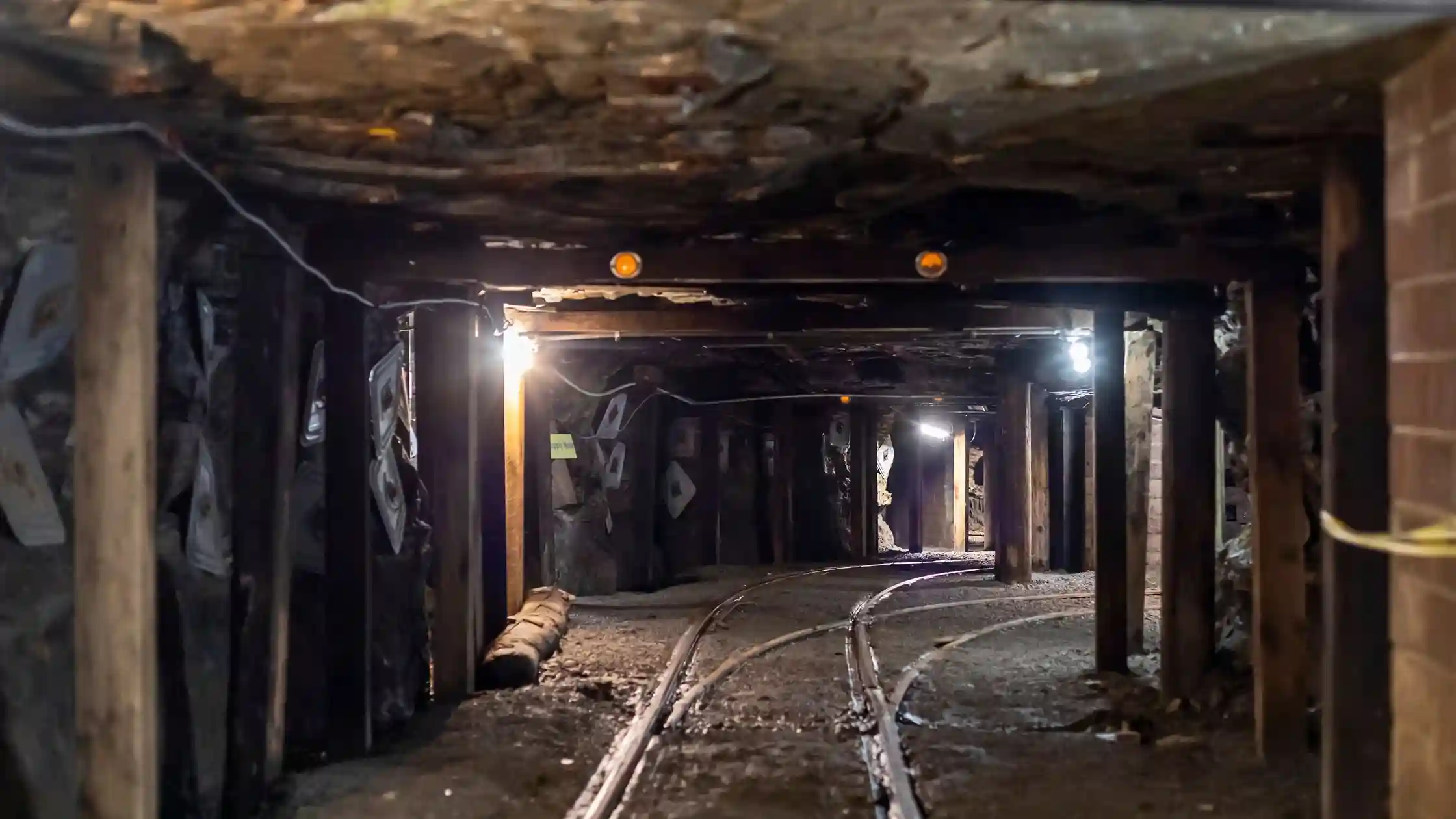
Understanding MSHA and ISO 9001 Certifications for Mining and OSP Cables
Summary: In the demanding environments of mining and outdoor telecommunications, cable reliability is non-negotiable. This comprehensive guide explores how MSHA and ISO 9001 certifications serve as the gold standard for safety and quality. By understanding these regulatory requirements, industry professionals can better select high-performance OSP cables and mining cable solutions that ensure operational uptime, worker safety, and long-term compliance in the most challenging terrains.
In mining and industrial environments, cable failure is not a minor inconvenience. It can shut down operations, compromise worker safety, and create serious compliance risks. According to the U.S. Mine Safety and Health Administration, electrical hazards remain a leading cause of incidents in active and abandoned mining sites.
That reality places strict demands on materials used underground and outdoors. Outside plant cables must perform under mechanical stress, environmental exposure, and regulatory scrutiny. Certifications such as MSHA and ISO 9001 exist to verify that cable designs, materials, and manufacturing processes meet these expectations.
Why Regulatory Standards Matter in Mining and OSP Applications
Mining sites and outside plant installations operate in some of the harshest conditions found in any industry. Cables may face moisture, abrasion, vibration, chemicals, and extreme temperatures. Regulatory standards are designed to reduce risk in these environments by enforcing consistent safety and quality controls.
For engineers and specifiers, compliance offers:
- Reduced liability and inspection risk
- Predictable performance in demanding installations
- Confidence that products meet industry-recognized benchmarks
Certified OSP cables help bridge the gap between operational demands and regulatory obligations.
MSHA Certified Cables: Safety First in Mining Environments
MSHA certification confirms that a cable meets safety requirements established by the Mine Safety and Health Administration for use in mining operations. These requirements focus on flame resistance, durability, and suitability for hazardous locations.
Key Characteristics of MSHA-Certified Cables
- Flame-resistant jacket compounds
- Resistance to crushing, impact, and abrasion
- Identification markings required for inspection and traceability
In mining operations, cables are often installed in confined spaces where fire propagation presents a serious risk. Using non-compliant materials can result in failed inspections, shutdowns, or unsafe working conditions.
For applications involving power, control, or communications in mining environments, selecting MSHA cable is a baseline requirement, not a premium feature.
ISO 9001 Certified Manufacturing: Consistency You Can Trust
While MSHA certification focuses on product safety, ISO 9001 certification addresses how products are made. ISO 9001 certification is a global standard for quality management systems that emphasizes process control, documentation, and continuous improvement.
What ISO 9001 Certification Ensures
- Controlled manufacturing processes
- Documented quality checks and testing procedures
- Traceability from raw materials to finished products
- Ongoing audits and corrective action systems
An ISO 9001 certified manufacturer demonstrates that quality is built into every stage of production. For outside plant cables deployed in remote or difficult-to-access locations, consistency in construction reduces the risk of early failure and costly replacements.
Outside Plant Cables in Regulated Industrial Environments
Outside plant installations often support critical communications for mining, utilities, and industrial operations. These networks depend on cable systems that can withstand long-term exposure while meeting compliance requirements.
Common OSP Cable Challenges
- UV exposure and temperature extremes
- Moisture and chemical ingress
- Mechanical stress during installation and service
Certified outside plant cables are engineered to address these challenges while aligning with safety and quality standards. This combination supports reliable data transmission and long service life in regulated environments.
If your application involves unique environmental or regulatory requirements, it may help to ask an expert at Remee to review jacketing and other specifications before finalizing your cable selection.
Remee’s Certified Copper and Fiber Solutions
Remee designs and manufactures copper and fiber cable solutions for mining and outside plant use with compliance in mind. Certified offerings are developed to meet MSHA safety standards while being produced under ISO 9001 quality systems.
This approach provides:
- Product reliability across demanding installations
- Simplified approval during inspections and audits
- Confidence for engineers, contractors, and operators
For projects requiring tailored constructions, jacket materials, or performance characteristics, you can request information to evaluate options that align with both operational and regulatory needs.
Choosing Certified Cables Reduces Long-Term Risk
Compliance affects more than initial approval. Over the life of a cable installation, certified cables help reduce downtime, maintenance costs, and safety concerns. In mining and OSP environments, replacing cable infrastructure often involves significant labor and operational disruption.
By specifying certified solutions from the start, organizations support:
- Safer working conditions
- More predictable network performance
- Easier compliance documentation
Mining and industrial operations rely on cable systems that perform reliably under strict regulatory oversight. Understanding MSHA and ISO 9001 certifications helps engineers and decision-makers choose OSP cables that meet safety, quality, and performance expectations.
Explore certified copper and fiber solutions designed for regulated environments and supported by proven manufacturing standards.
Asking a Remee expert about your application will help ensure you have the right cable for the job! Whether you need OSP cable, wet location cable, or direct burial cable, Remee can direct you to the best solution, including bundled and hybrid cable solutions.
FAQ:
Q1: What does MSHA certification mean for cables?
A: MSHA certification confirms that a cable meets safety requirements for mining environments, including flame resistance and mechanical durability. It is required for many underground and surface mining applications.
Q2: Why is ISO 9001 certification important for cable manufacturers?
A: ISO 9001 certification shows that a manufacturer follows controlled processes to ensure consistent product quality. This reduces variability and increases confidence in long-term performance.
Q3: Are all OSP cables suitable for mining environments?
A: No. Many OSP cables are designed for outdoor use but may not meet MSHA safety requirements. Mining applications require cables specifically approved for those conditions.
Q4: How do certified cables support regulatory inspections?
A: Certified products simplify inspections by providing clear documentation, markings, and traceability. This helps facilities demonstrate compliance during audits and safety reviews.