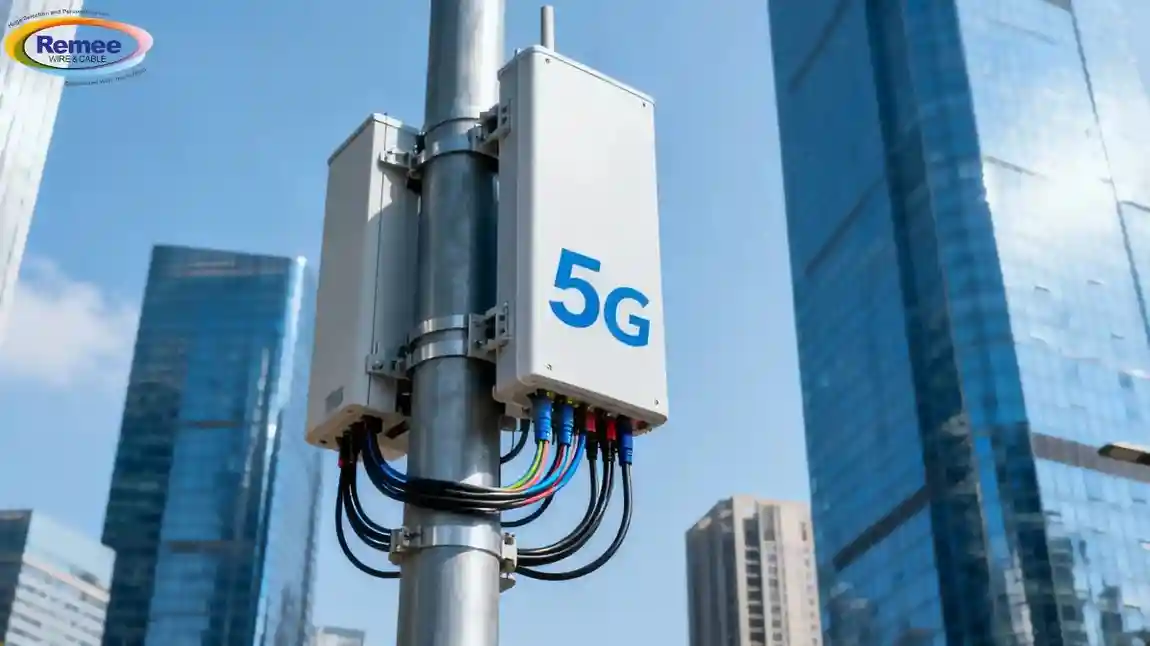
5G Small Cell Backhaul: Leveraging Fiber-Optic Infrastructure for Dense Networks
Summary: Meeting 5G performance promises in dense urban networks depends on robust fiber backhaul to every small cell. This article explains why fiber is essential for 5G small cell deployment, compares fiber routes and connector choices, and explores latency considerations. It also highlights how Remee’s aerial and indoor/outdoor hybrid fiber cables help network designers build scalable, resilient backhaul infrastructures for next‑generation mobile services.
5G’s higher frequencies and massive MIMO drive operators to deploy many more small cells, often within a few hundred meters of users. This densification multiplies backhaul connections, and each link must deliver high capacity, low latency, and strong reliability at scale.
Among backhaul options, fiber consistently provides the highest bandwidth and most predictable latency, making it the preferred medium for 5G small cell sites in dense urban and campus environments. Wireless backhaul can be useful for hard‑to‑reach spots, but fiber offers superior long‑term stability, security, and scalability as data demand grows.
Fiber routes to small cells
Designing fiber routes to each small cell is one of the most critical planning tasks in any 5G rollout. Planners must balance distance, existing ducts, aerial pathways, and building entry points to minimize costs without compromising performance or future upgrade options.
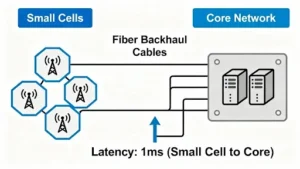
Common fiber routing strategies include:
- Aerial spans on existing poles to reach street‑level radios quickly in urban corridors.
- Underground and duct routes for higher protection in areas where aesthetics, security, or climate demand tougher physical performance.
- Building entry and riser routes that carry fiber vertically to indoor or rooftop small cells over plenum‑rated or riser‑rated cable.
Remee manufactures a large variety of fiber optic cable constructions, including tight‑buffered distribution, breakout, and loose‑tube designs that support both outside plant and premise routing to small cells.
Aerial fiber cable and hybrid designs for dense networks
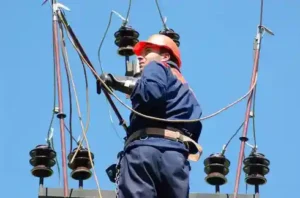
Aerial fiber cable plays a crucial role when operators want fast deployment by leveraging existing pole infrastructure. Tough jackets, UV resistance, and support for lashing or hardware‑based mounting are important to survive wind, ice, and temperature swings while maintaining optical performance.
Remee offers outdoor and indoor/outdoor fiber cables, as well as composite and hybrid designs that combine fiber with copper conductors under a single jacket for power and data to remote devices. These hybrid and distribution cables can be deployed in duct, tray, or aerial lashing applications with messengered cable, supporting dense 5G backhaul and fronthaul topologies in challenging environments.
If you are architecting aerial routes and need help specifying the right cable structure and jacket, you can Ask an Expert at Remee to review your design and recommend optimized products for your use case.
Indoor/outdoor and plenum solutions for 5G mobile backhaul
For 5G mobile backhaul, many small cells are mounted on building facades, indoors, or on rooftops, which calls for cable that can bridge the gap from outside plant into interior spaces. Indoor/outdoor cables simplify this transition by using constructions that meet outdoor durability demands while complying with indoor safety ratings such as plenum and riser standards.
Remee’s tight‑buffered distribution and armored indoor/outdoor cables are designed for direct burial, duct, tray, and plenum spaces, supporting long runs from the access network into the building distribution layer without multiple transition points. This approach reduces splicing, accelerates deployment, and helps maintain optical performance for latency‑sensitive 5G mobile backhaul links.
When a project requires specialized construction, you can Request a New Custom Cable from Remee to tailor fiber count, armor, jacket, and hybrid options to your exact backhaul architecture.
Connector types, termination, and network flexibility
Connector choice has a direct impact on installation speed, density, and long‑term flexibility in 5G backhaul networks. High‑density panels serving multiple small cells often rely on LC or similar small‑form‑factor connectors to maximize port counts in compact spaces.
Tight‑buffered cables from Remee are designed to simplify termination and connection, making them well-suited for splice trays, patch panels, and indoor distribution frames serving 5G radios. Field‑terminated connectors provide flexibility in locations where lengths or routes may change during deployment.
Latency considerations in 5G small cell networks
Low latency is one of 5G’s defining requirements, supporting applications like AR/VR, industrial automation, and ultra‑reliable low‑latency communications. Backhaul design must therefore minimize delay and jitter from each small cell to the core network, as every additional hop and interface adds to overall latency.
Fiber backhaul supports high throughput and very low propagation delay, and it avoids many of the variable conditions that can impact wireless links, such as interference and weather.
5G small cells demand clean, strong fiber paths. Aerial routes, hybrid transitions, connector quality, and latency control all shape the final user experience. Installers who choose the right cable builds get safer links, faster installs, and fewer issues over time.
If you want help selecting the best cable option for your next 5G project, reach out today and ask an expert at Remee for guidance tailored to your build.
FAQ:
Q1: Why is fiber preferred for 5G small cell backhaul?
A: Fiber offers very high bandwidth, low latency, and excellent immunity to electromagnetic interference, all of which are essential for 5G’s high‑capacity, low‑delay requirements. It also scales better over time than many wireless backhaul options, allowing operators to upgrade optics without replacing the physical cable plant.
Q2: When should aerial fiber cable be used?
A: Aerial fiber is ideal when existing pole infrastructure is available and time‑to‑market is critical, such as in dense urban corridors or campus roads. Properly designed jackets and supporting hardware help aerial cables withstand environmental stress while maintaining optical performance for 5G backhaul paths.
Q3: What is the advantage of indoor/outdoor or plenum‑rated cable in 5G mobile backhaul?
A: Indoor/outdoor and plenum‑rated cables allow a single construction to run from outside plant environments into building interiors, risers, and air plenums while meeting fire and safety codes. This reduces the need for transition points and splices, simplifying both installation and maintenance in dense small cell deployments.
Q4: How can Remee support custom 5G backhaul requirements?
A: Remee provides a broad line of standard Fiber Optic Cables, as well as hybrid constructions. They also offer custom designs that adjust fiber count, armor, jackets, copper conductor types, and other components to project‑specific needs. Network designers can engage Remee through its Ask An Expert consultation and Custom Cable Request programs to align product selection with unique backhaul architectures, budgets, and installation environments.